UX Researcher
Hsun-Ting Liu
UX researcher with five years of qualitative research in corporate, civic and nonprofit settings — planning studies, recruiting and interviewing participants, moderating usability tests, and turning findings into decisions teams act on. Moderates in English and Mandarin. Now specializing in digital products and accessibility.
Four studies below: one diagnostic, three that run from generative work into evaluative testing. Each one met a constraint that decided the method — how much access there was, how many departments had to agree, or who could not be reached at all. That is what they are here to show.
Four studies
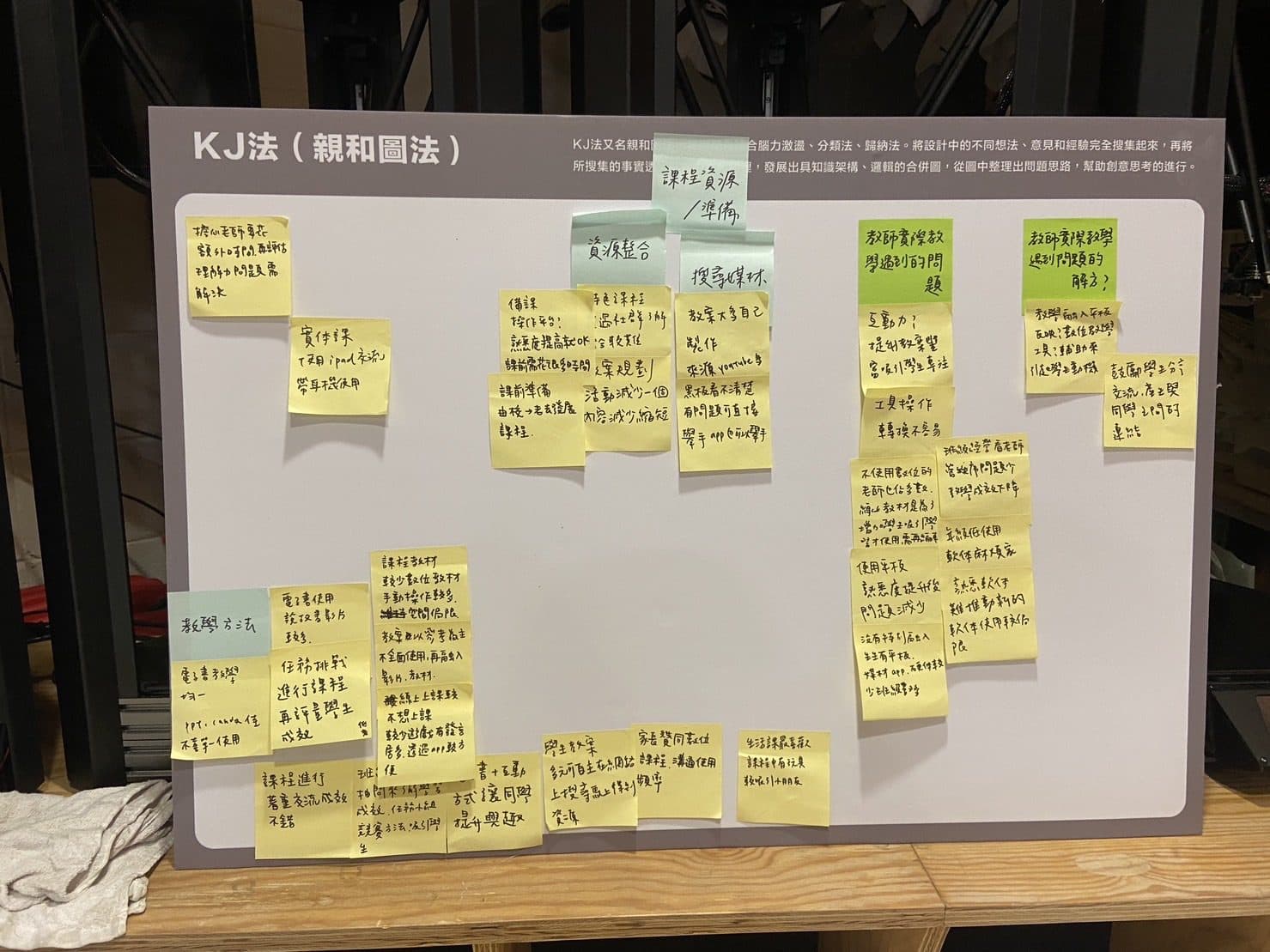
What stops technology from changing how teaching works
Thirteen stakeholders across eight business units, five expert interviews, a 41-participant journey workshop, and fifteen prototypes tested with real teachers before selection.
- Inside
- Experts
- Field
- Synthesize
- Test
- Participants
- 13 stakeholders · 5 experts · 41-person workshop
- Evaluative
- 15 prototypes, scenario-based
- Timeline
- 10 months
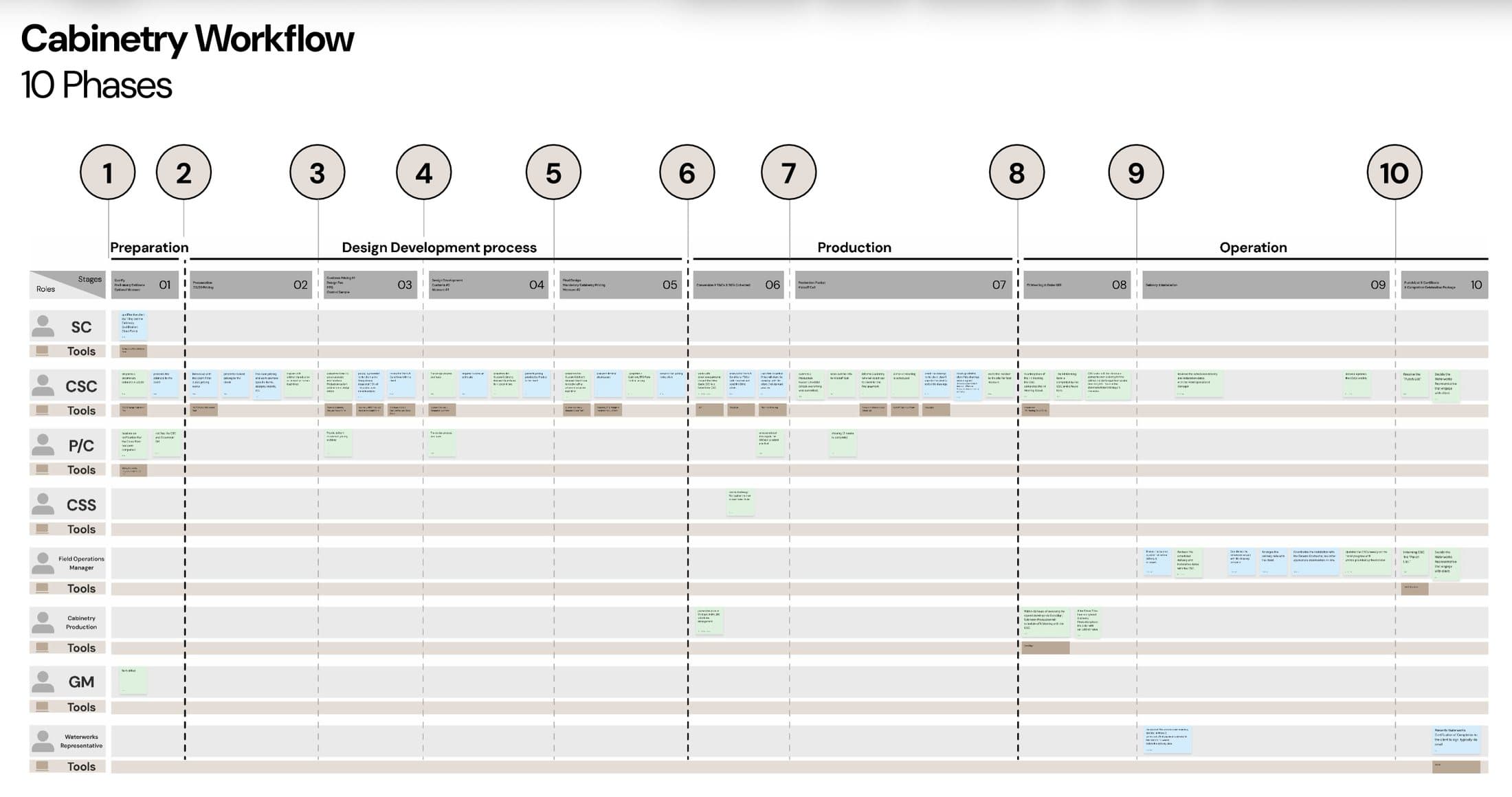
Why a premium product line underperformed: interviews across every role
ORID-structured interviews from the general manager to the production floor, a ten-stage workflow map, and sixteen pain points drawn as a network because they were causing each other.
- Structure
- Interview
- Observe
- Map
- Diagnose
- Participants
- General manager → production floor
- Evaluative
- — (diagnostic study)
- Timeline
- 5 months
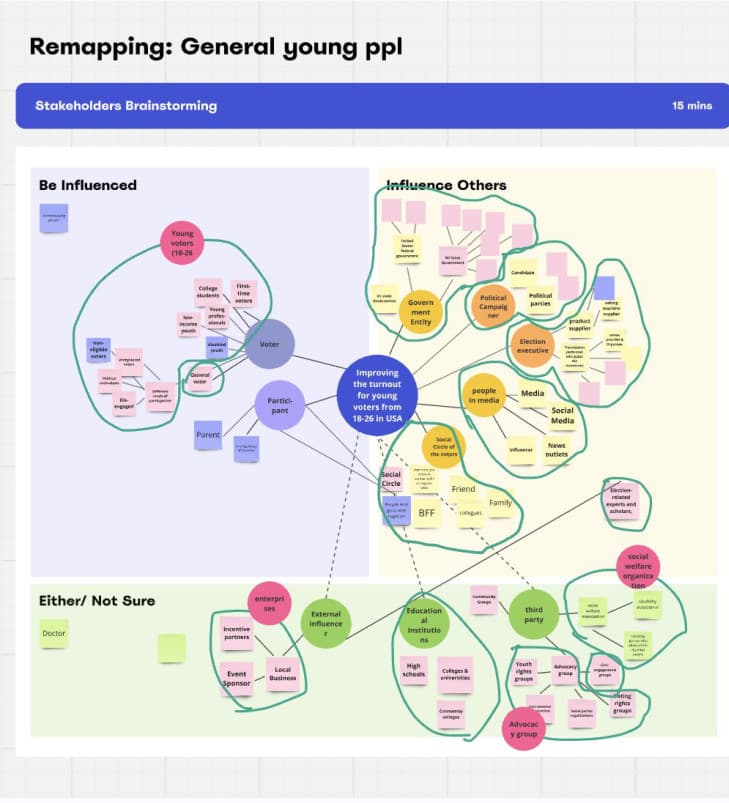
Researching and testing a voting app, end to end
Two rounds of interviews, three personas, an app prototype, and moderated usability testing with four users — plus a note on who the study did not reach.
- Map
- Interview
- Persona
- Ideate
- Test
- Participants
- 10 participants, two rounds
- Evaluative
- 4 users, moderated
- Timeline
- One semester
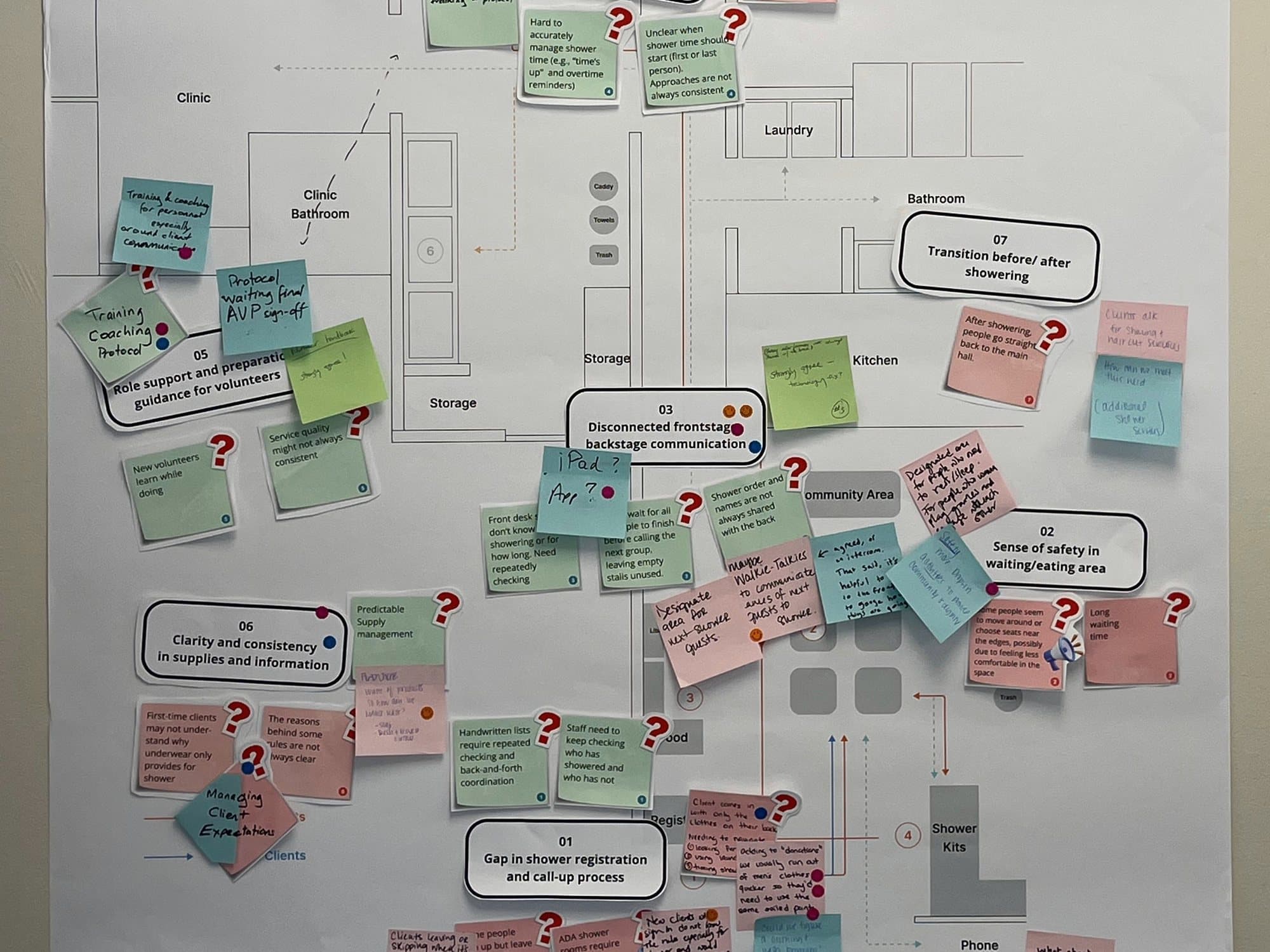
Researching a hygiene service without interviewing people in crisis
A three-level framework that researched through providers rather than people in crisis, a blueprint built with the staff who run the room, and an on-site dry run.
- Frame
- Interview
- Observe
- Blueprint
- Dry run
- Participants
- 10 interviews · 3 field studies · 9 surveys
- Evaluative
- On-site dry run
- Timeline
- Ongoing
Before anyone is interviewed
A study is scoped before it is run. For a Japanese forge entering the US market, the interview itself was staged — the object first, then how it is made, then where it comes from — so we could see which layer moved the participant.
Research practice
- Capture
- Zoom recordings; Otter and Granola transcripts; manual verbatim where the audio is poor.
- Notes & coding
- Miro and FigJam for affinity work; Notion and Dovetail as the repository; coding sheets in Google Sheets and Excel.
- Recruitment
- Google Forms screeners, Calendly scheduling; campus and client networks, direct outreach, online panels and recruiting agencies.
- Prototypes & testing
- Figma prototypes, on-device sessions, remote sessions over Zoom screen share.
- Readouts
- Slide decks, Notion pages and PDF reports; in-person briefings to leadership, up to CEO level.
Toolkit
- Research planning
- Semi-structured & ORID interviews
- Moderated usability testing
- Participant recruitment
- Field observation
- Survey design
- Thematic analysis
- Affinity & KJ mapping
- Journey & empathy mapping
- Personas
- Service blueprinting
- Stakeholder mapping & RACI
- Stakeholder readouts
Building now
- Screen-reader auditing (VoiceOver)
- Accessible Usability Scale
- Deque screen-reader curriculum
- IAAP CPACC (in progress)
Assistive-technology research is the next skill, not yet a credential. The voting study is where I learned that recruitment decides who a product is for.